April 16, 2026
Owning a dog comes with immense joy, companionship, and unconditional love, but it also carries the responsibility of maintaining their health and well-being. Being aware of common health issues in dogs can help pet owners detect problems early, seek timely veterinary care, and prevent minor concerns from developing into serious complications. Dogs are susceptible to a variety of medical conditions, ranging from skin problems and dental issues to more serious internal disorders. By understanding these common issues, owners can make informed decisions about nutrition, exercise, and preventive care, ensuring their furry friends lead happy and healthy lives. According to Nationwide, for the 12th year, skin allergies are the most common health issue for dogs, with more than 410,500 individual claims received in 2023. In this article, we will explore prevalent health issues in dogs and highlight the importance of veterinary services in managing them effectively.
1. Recognizing Skin Allergies
Skin allergens are among the most frequently reported health problems in dogs and can significantly affect a dog’s quality of life. Allergies can manifest as itching, redness, hair loss, or persistent scratching, often leading to secondary infections if left untreated. These reactions can be triggered by environmental factors such as pollen, dust, or mold, as well as certain foods or flea infestations. Regular monitoring and prompt attention to changes in a dog's skin or coat are crucial in addressing these issues early.
Veterinary services play a key role in diagnosing and managing skin allergies. Veterinarians can recommend allergy testing, prescribe medications, or suggest specialized diets to alleviate symptoms. They can also provide guidance on proper grooming techniques to reduce irritation and maintain skin health. Early intervention with professional veterinary services can prevent discomfort, reduce the risk of infections, and improve the overall well-being of dogs suffering from skin allergies.
2. Monitoring Obesity and Weight Management
Obesity is a growing concern among domestic dogs and can lead to numerous health complications, including diabetes, joint problems, and heart disease. Factors contributing to obesity include overfeeding, lack of exercise, and certain medical conditions that affect metabolism. Pet owners should monitor their dogs' weight and body condition, ensuring they maintain a healthy balance of calories consumed and calories burned through physical activity.
Veterinary services provide essential support for managing canine obesity. Veterinarians can design personalized diet plans, recommend exercise routines, and monitor progress over time. They can also identify underlying health issues that may contribute to weight gain, such as hormonal imbalances or metabolic disorders. Engaging veterinary services in weight management ensures that dogs achieve and maintain a healthy weight, ultimately reducing the risk of chronic health problems.
3. Observing Dental Health Issues
Dental problems are a common but often overlooked concern in dogs. Issues such as periodontal disease, tooth decay, and gum inflammation can cause pain, difficulty eating, and even systemic infections if bacteria enter the bloodstream. Signs of dental problems may include bad breath, drooling, reluctance to eat, or visible tartar buildup. Regular dental care, including brushing and professional cleanings, is critical in preventing these issues.
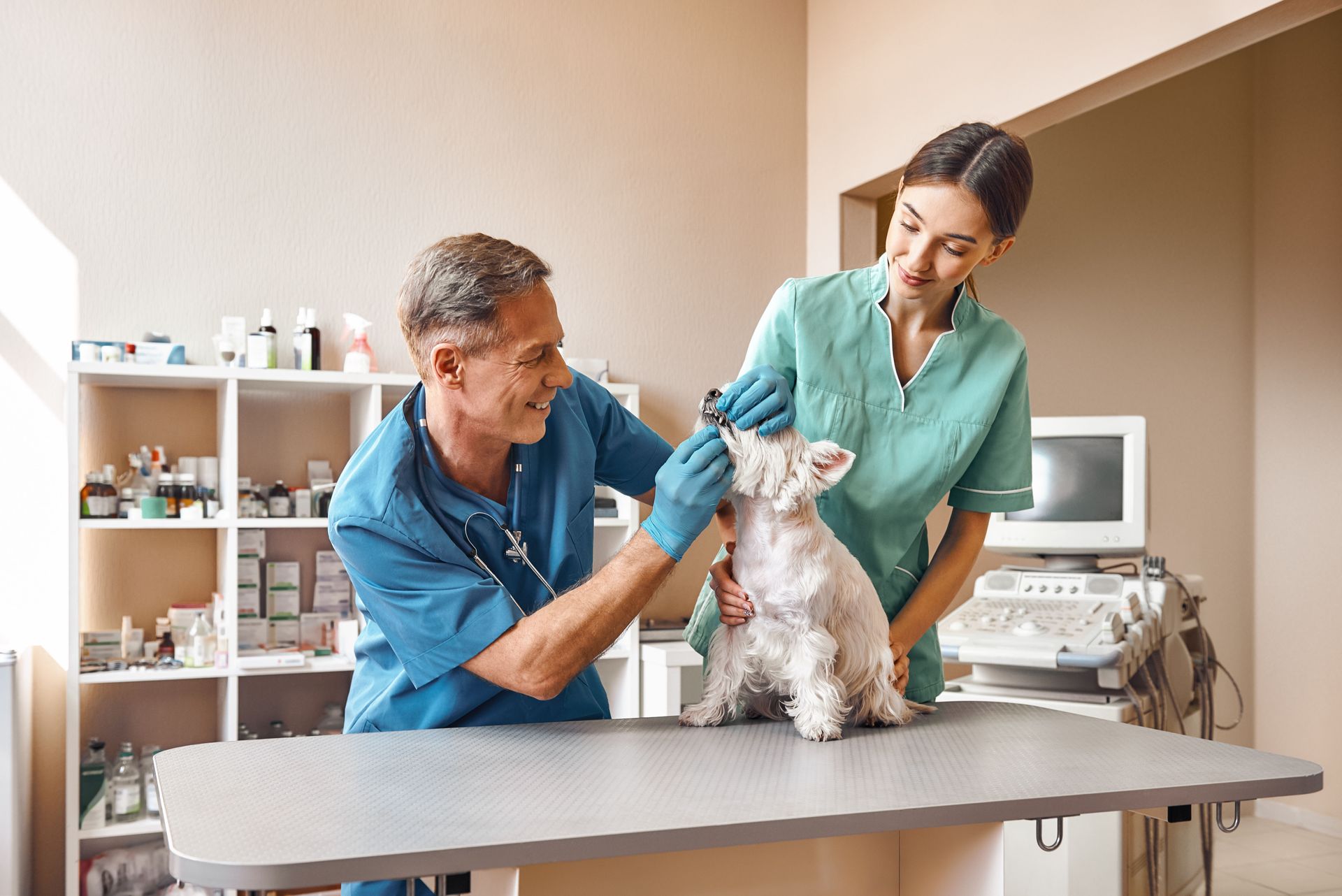
Veterinary services offer comprehensive dental care, including examinations, cleanings, and treatments for infections or tooth extractions when necessary. By providing professional intervention, veterinarians help prevent the progression of dental disease and promote overall health. Incorporating veterinary services into a dog's dental care routine ensures their oral health is maintained and contributes to their overall quality of life.
4. Identifying Ear Infections
Another common health issue in dogs is ear infections, particularly among breeds with floppy ears or excessive hair growth in the ear canal. Symptoms may include scratching at the ears, head shaking, redness, odor, or discharge. Ear infections can result from bacterial or yeast overgrowth, allergies, or moisture accumulation. Prompt identification and treatment are essential to prevent chronic problems or permanent hearing damage.
Veterinary services provide crucial support in diagnosing and treating ear infections. A veterinarian can perform thorough ear examinations, prescribe medications such as antibiotics or antifungal treatments, and advise on preventive measures. Regular veterinary checkups and proper ear care reduce the likelihood of recurrent infections, ensuring dogs maintain healthy ears and comfort.
5. Detecting Digestive Disorders
Digestive issues, including diarrhea, vomiting, and constipation, are common in dogs and can be caused by dietary indiscretion, infections, or underlying medical conditions. Persistent digestive problems can lead to dehydration, nutrient deficiencies, and more severe health complications. Monitoring a dog's eating habits, stool consistency, and appetite is important for early detection and management of these disorders.
Veterinary services are essential in addressing digestive problems. Veterinarians can recommend diagnostic tests, prescribe medications, and advise on dietary adjustments tailored to the dog’s specific needs. By involving veterinary services early, owners can prevent digestive issues from escalating and maintain their dog's overall health, comfort, and nutritional balance.
6. Watching for Arthritis and Joint Problems
Arthritis and other joint disorders are prevalent in older dogs and certain breeds predisposed to hip or elbow dysplasia. These conditions can cause pain, stiffness, reduced mobility, and reluctance to engage in physical activities. Early detection is important, as timely intervention can slow disease progression and improve quality of life.
Veterinary services provide a range of solutions for managing joint problems, including medications, supplements, physical therapy, and surgical options when necessary. Regular veterinary checkups allow for early identification of arthritis symptoms, enabling proactive treatment plans. Maintaining joint health through professional veterinary services helps dogs remain active, comfortable, and engaged in daily activities.
7. Detecting Heart and Respiratory Conditions
Heart and respiratory issues, such as heart murmurs, congestive heart failure, or respiratory infections, can significantly impact a dog's health and longevity. Early signs may include coughing, labored breathing, fatigue, or decreased exercise tolerance. These conditions require prompt evaluation and intervention to prevent severe complications.
Veterinary services play a pivotal role in diagnosing and managing cardiovascular and respiratory disorders. Through examinations, imaging, and specialized tests, veterinarians can identify problems early and recommend appropriate treatments, medications, or lifestyle modifications. Timely veterinary care ensures that dogs with heart or respiratory issues receive the support they need for a longer, healthier life.
8. Observing Diabetes and Metabolic Disorders
Diabetes and other metabolic disorders are increasingly recognized in dogs and can cause symptoms such as excessive thirst, frequent urination, weight loss, and changes in appetite. These conditions require ongoing management to prevent complications like kidney disease, nerve damage, or vision problems. Awareness of early signs is critical for implementing effective intervention.
Veterinary services are indispensable for managing diabetes and metabolic disorders. Veterinarians can provide accurate diagnosis, develop insulin or medication plans, and offer guidance on diet and lifestyle adjustments. Consistent monitoring and support through veterinary services help maintain stable blood sugar levels and overall health, ensuring dogs affected by these conditions can lead normal, active lives.
Being aware of common health issues in dogs is vital for every pet owner. From skin allergies and obesity to dental problems, ear infections, and metabolic disorders, understanding these conditions enables timely interventions and preventive measures. According to Nationwide, skin allergies remain the most reported health concern for dogs, emphasizing the importance of vigilance and regular veterinary care. Engaging professional veterinary services ensures early diagnosis, effective treatment, and long-term health management.
Investing in veterinary services six times across various aspects of care, whether for preventive checkups, treatment plans, or ongoing management, can dramatically enhance a dog's well-being and longevity. Proactive attention to health issues, informed by veterinary guidance, allows owners to provide their pets with the highest quality of life. Ultimately, awareness, observation, and consistent veterinary support form the foundation of responsible dog ownership, ensuring that our canine companions stay healthy, happy, and vibrant for years to come. If you are seeking veterinary services in the New Braunfels, TX area, contact the professionals at Allure Veterinary Hospital & Urgent Care today to request an appointment for your pet.